Home › Why Edgify
The AI your store needs can't live in the cloud
Latency, bandwidth, privacy and capital cost. Four reasons store intelligence has to run where the store is.
Cloud AI is the right architecture for most enterprise problems. Checkout is not one of them. The decision has to be made in the fraction of a second between an item moving and a transaction completing, and it has to be made thousands of times a day in a building with contended Wi-Fi.
1. Runs on what you already own
Edgify works on 80%+ of existing retail hardware across 40+ OEMs. No new terminals, no in-store servers, no rip-and-replace programme. A pilot is an operational decision, not a capital one, which is why it can start in weeks rather than budget cycles.
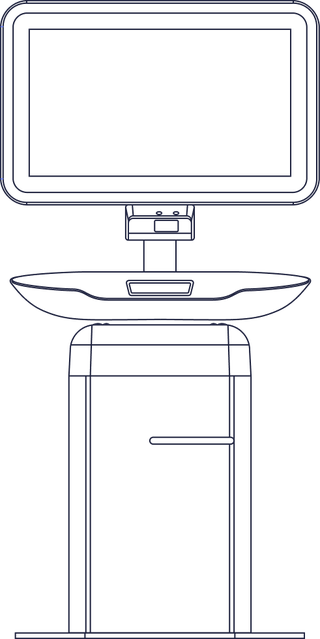 Self-service scalesProduce recognition on the scale itself
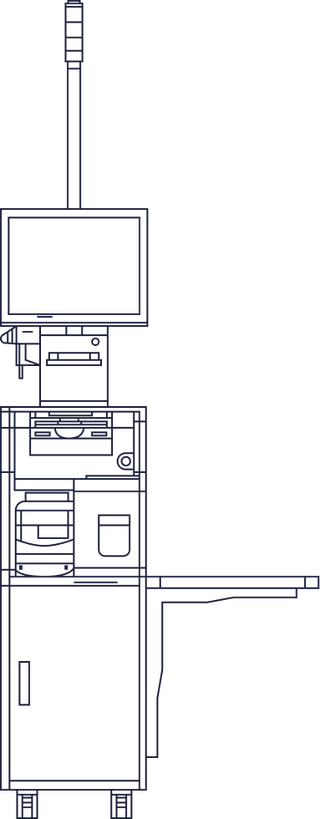 Self-checkoutLoss prevention at the lane
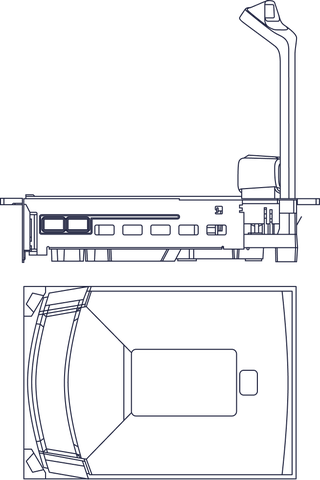 Scanners & POSVerification at staffed lanes
2. Privacy by design, not by policy
Processing happens on the device. Raw imagery does not traverse the network, and learning is shared as model updates rather than data. That is a materially different posture from "we encrypt it in transit", and it is the reason the architecture survives procurement review in regulated markets.
3. Real-time by default
No round-trip means no latency budget to manage, no bandwidth bill that scales with camera count, and no degraded mode when the link drops. The store keeps working when the WAN doesn't.
4. Ready for AI agents
Agents are limited by what they can observe. Systems of record tell them what was transacted; nothing tells them what physically happened. Edgify's MCP server layer turns the estate into something an agent can query directly.
The honest trade-offs
Running on the device is not free of constraints, and pretending otherwise wastes everyone's time in diligence:
- Device compute caps model size, so architectures are chosen for the hardware rather than the leaderboard.
- Fleet heterogeneity is real work: 40+ OEMs means 40+ integration surfaces, which is precisely the moat.
- On-device training needs spare cycles, so the busiest terminals train off-peak.
See your store through Edgify's eyes
A 12-week pilot on the hardware you already own. Measurable ROI, from day one.